
What Happened to US Inflation in June 2026 and Why Does It Matter?
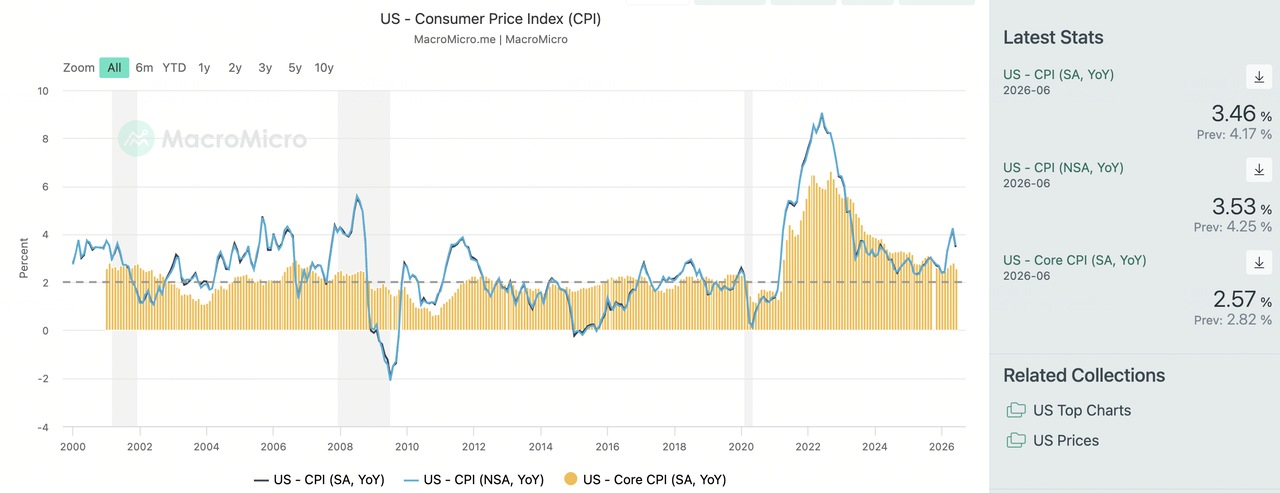
Source: MacroMicro
Markets spent much of the first half of 2026 focused on one dominant story: conflict in the Middle East kept crude oil prices elevated, reinforcing concerns that inflation would remain stubbornly high. That view shaped expectations across stocks, bonds and currencies. Then the June inflation report offered a very different picture.
The US Bureau of Labor Statistics (BLS) reported that headline CPI slowed to 3.5% year over year in June, down sharply from 4.2% in May. On a seasonally adjusted monthly basis, consumer prices fell 0.4%, marking the largest monthly decline since April 2020. Core CPI, which excludes volatile food and energy prices, also moved lower, easing to 2.6% from 2.9%. Core prices were unchanged from the previous month.
Taken together, the numbers suggest that inflation may be cooling in a more meaningful way. A decline in headline CPI alone could easily be explained by a temporary reversal in oil or energy prices. The flat core reading makes the report harder to dismiss because it points to softer price pressure across a wider range of goods and services.
That does not mean the inflation problem is fully resolved, especially with geopolitical and energy risks still in the background. It does, however, give investors a clearer reason to believe that the broader disinflation trend is still intact. The June report therefore did more than deliver a softer number. It challenged the market’s assumption that higher oil prices would automatically keep inflation elevated for the rest of the year.
June 2026 CPI at a Glance
|
Metric |
June 2026 |
May 2026 |
What It Signals |
|
Headline CPI (YoY, unadjusted) |
3.50% |
4.20% |
The three-year high set in May has been decisively broken. |
|
Headline CPI (MoM, adjusted) |
-0.40% |
Positive |
Largest monthly drop since April 2020, driven almost entirely by energy. |
|
Core CPI (YoY) |
2.60% |
2.90% |
Underlying inflation is moving toward the Fed's comfort zone. |
|
Core CPI (MoM) |
0.00% |
Positive |
A multi-year low. No evidence of a wage-price spiral. |
Before the June CPI release, markets were focused on a difficult combination: inflation was proving sticky, and geopolitical tensions were keeping the risk of further supply shocks alive. Repeated escalations in the Middle East pushed oil prices higher and helped lift May inflation to a three-year high of 4.2%. That gave the more hawkish voices inside the Federal Reserve greater influence. The June FOMC minutes also showed clear divisions among officials, with some still leaving the door open to another rate hike if inflation remained elevated.
The latest report quickly eased those concerns. Softer headline and core inflation gave markets the first real sign that the pressure may be starting to fade, allowing expectations of a more supportive liquidity environment to return. Gold, US equities, and cryptocurrencies all responded positively as investors reassessed the outlook for interest rates.
The conversation shifted just as quickly. Markets were no longer asking only how long rates would stay high. The focus moved to when inflation might cool enough for the Federal Reserve to begin cutting rates.
Why Did Inflation Fall So Fast? 3 Forces Behind the CPI Drop
The sharp decline came from more than one source. Temporary easing in geopolitical pressure played a role, alongside broader signs that underlying inflation was cooling across goods, services, and the labor market.
- Energy prices dropped sharply. The energy index made the largest contribution to the monthly pullback. After rising strongly in May, gasoline prices recorded double-digit declines in June as tensions in the Middle East temporarily eased. That reversal helped drive the 0.4% decline in headline CPI.
- Core goods and services also softened. Core CPI was unchanged month over month, marking a new multi-year low. Used car and truck prices remained under pressure, falling 1.8% year over year, while communication, apparel, and medical care services all posted monthly declines. Shelter inflation remained elevated at 3.3% year over year, though the underlying components showed little evidence of renewed wage-driven price pressure.
- The labor market continued to rebalance. Recent softer Non-Farm Payrolls (NFP) data point to slower hiring and more moderate wage growth. That reduces the risk of a wage-price feedback loop and gives core inflation more room to fall on a sustained basis.
For investors, the difference between these forces matters. Energy prices can reverse quickly. Labor market rebalancing tends to unfold more gradually, which makes it a more durable signal for the inflation outlook.
How Does a CPI Report Move Gold, Bitcoin, and Oil?
The market reaction usually begins with one variable: the risk-free rate. When inflation cools, rate cut expectations strengthen, Treasury yields fall, and the US Dollar Index (DXY) often moves lower. From there, each asset responds through a different channel.
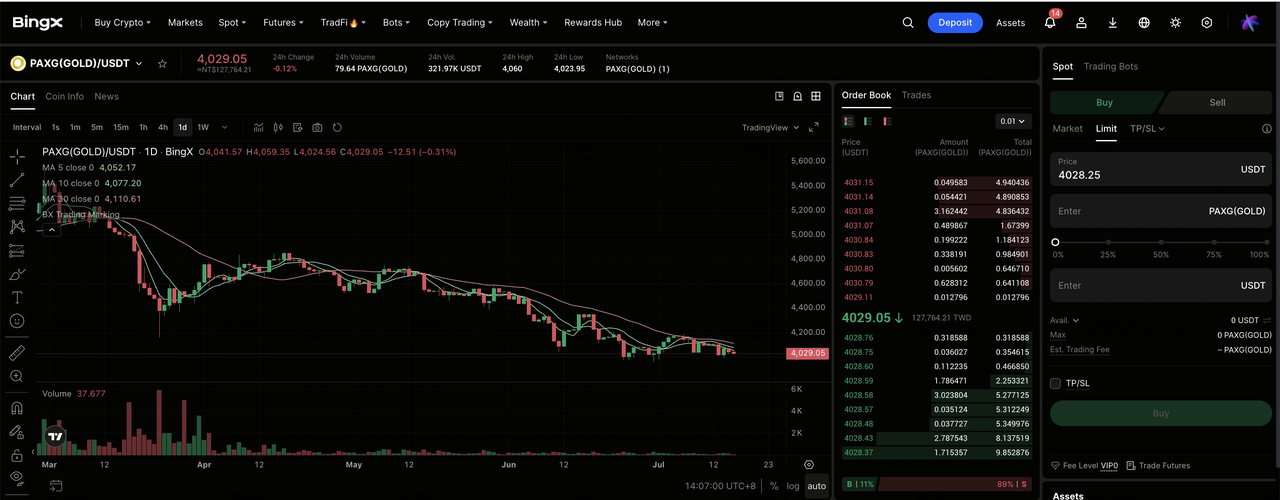
1. Why Does Gold Rise When Inflation Cools? The Precious Metal Recovery Chain
Softer inflation revives rate cut expectations, pulling Treasury yields and the DXY lower. That creates a more supportive backdrop for gold and silver.
Because gold pays no interest, high bond yields raise the opportunity cost of holding it. That pressure weighed on precious metals through the first half of 2026, with gold retreating from its early-year high near $5,589 to around $4,165.
After the CPI release, the 10-year Treasury yield and the dollar fell together. Gold gained two tailwinds at once: lower opportunity costs and a weaker dollar, which makes the metal cheaper for buyers using other currencies.
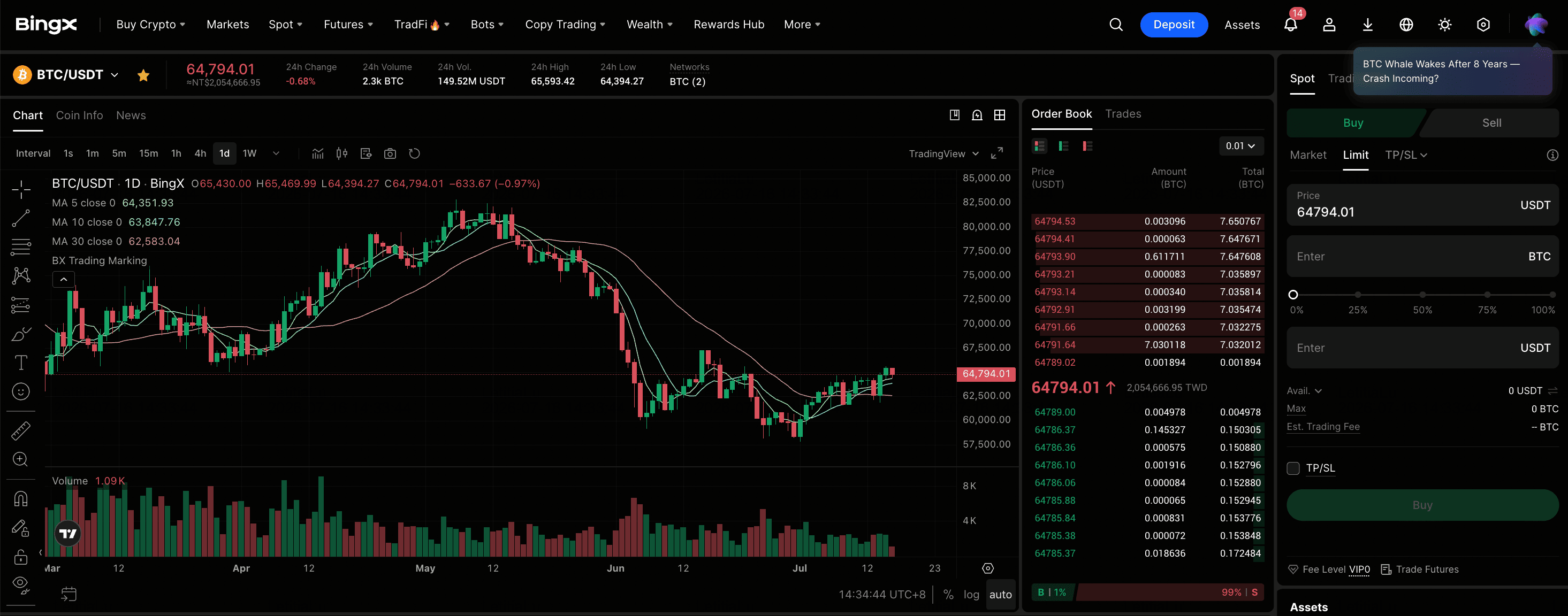
2. Why Does Bitcoin React to CPI Data? The Risk Asset Relief Chain
Lower inflation reduces the risk of further Federal Reserve tightening and improves the outlook for global liquidity. That tends to support technology stocks and cryptocurrencies.
Bitcoin sits at the most sensitive end of this cycle. When yields fall and financial conditions begin to ease, investors often become more willing to take risks, giving crypto prices room to recover.
Bitcoin also reacts faster than most traditional assets. CPI data is released before the US stock market opens, but crypto trades around the clock. That makes Bitcoin one of the first places where shifting rate expectations appear, though the initial move can sometimes overshoot.
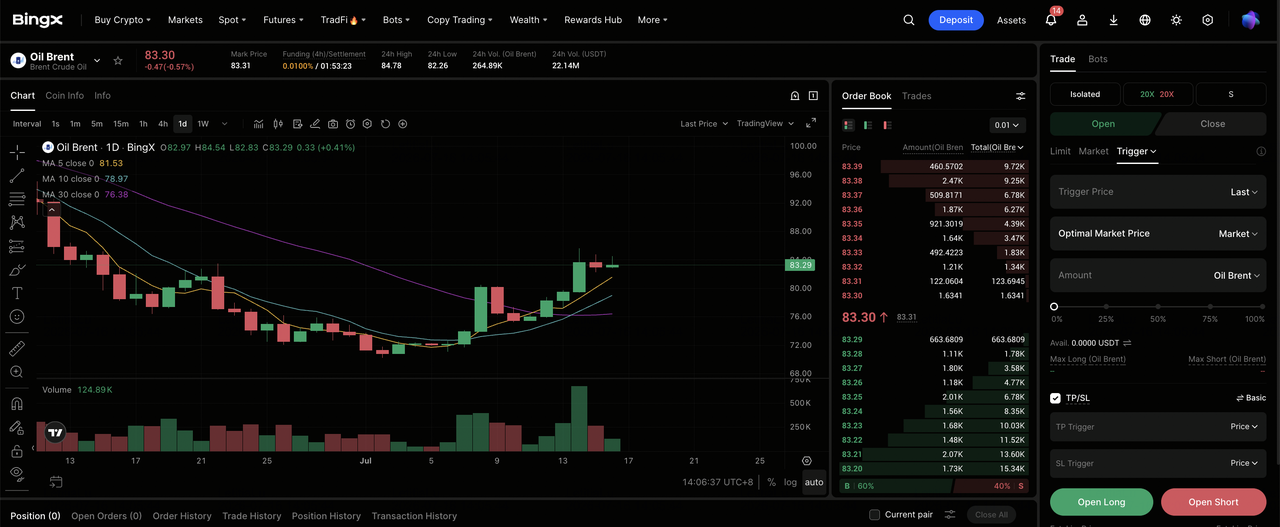
3. Why Are Oil and Cyclical Stocks Still Volatile? The Commodity Tug-of-War Chain
Oil responds to two competing forces. Softer inflation supports the soft-landing outlook and improves expectations for economic demand, but geopolitical supply risks remain unresolved.
June’s decline in energy prices drove much of the headline CPI slowdown. A renewed escalation in the Middle East, however, could quickly reverse that move and send crude prices higher again.
That leaves oil and cyclical stocks caught between improving macro sentiment and persistent supply uncertainty. The CPI report eased immediate inflation concerns, but the next move still depends heavily on inventories, demand data, and geopolitical developments.
What Are Institutions Saying About the June CPI Print?
|
Institution |
Core View and Stance |
Key Estimate or Forecast |
|
Morningstar |
Preston Caldwell called this the best news on core inflation received in 2026, while noting the Fed still needs more consistent data before fully initiating rate cuts. |
Expects the Fed to stay cautious, but sees the probability of rate cuts rising significantly. |
|
Goldman Sachs |
The research team points to continued disinflation in services such as rent and hotel lodging as the main driver, with central bank purchases providing a firm floor under gold. |
Maintains its year-end gold target of $5,400. |
|
J.P. Morgan |
The wealth management team frames first-half inflation as a temporary phenomenon linked to geopolitics, arguing the underlying data show the Fed is in Hold mode rather than Tighten mode. |
Sees this print as a major boost to the dovish camp inside a previously split FOMC. |
|
BMO Capital Markets |
Douglas Porter emphasized that the sharp drop in June gasoline prices was the single most critical force pulling down headline inflation. |
Warns of a potential rebound in energy prices during July. |
The consensus is notable for what it does not say. No major desk is calling this the end of the inflation fight. They are calling it the end of the hiking debate.
4 Major Risks Every Investor Must Watch After the CPI Drop
The latest CPI report strengthens the case for disinflation, but one softer print does not guarantee a lasting trend. Investors still need to watch four key risks.
- Geopolitical supply shocks could return. Oil prices eased as tensions in the Middle East temporarily cooled, but the broader risks, especially around Iran, remain unresolved. A disruption in the Strait of Hormuz or another escalation could quickly push crude back above $100 per barrel and reverse much of June’s inflation progress.
- The decline was heavily driven by energy. BMO’s warning is worth keeping in mind. If gasoline prices rebound in July, headline CPI could move higher again even if core inflation remains stable. Part of the June improvement came from energy-related base effects, which can reverse quickly.
- Core PCE and the July Fed meeting remain the next major tests. CPI is only one part of the inflation picture. The Federal Reserve’s preferred measure, the Core PCE Price Index, arrives later this month, followed by the July 28 to 29 FOMC meeting. A softer PCE reading could strengthen the case for a more dovish Fed. A firmer result could unwind some of the recent moves in yields, gold, equities, and crypto.
- Q2 earnings will test whether the rally has real support. Results from JPMorgan Chase, Goldman Sachs, and Wells Fargo are already setting the tone. Lower rates can support higher valuations, but earnings still need to hold up. Investors will be watching margins, credit conditions, and whether elevated AI-sector valuations are backed by actual profit growth.
June 2026 CPI Report: Is US Inflation Cooling Enough for Fed Rate Cuts?
The June CPI report is the most constructive inflation data of 2026, and it did something no amount of Fed commentary could: it removed the hiking scenario from the table. That alone justifies the repricing in gold, tech, and crypto.
But the composition matters. This was an energy-led print sitting on top of genuine core softening, and only one of those two components is durable. The 0.0% core reading and the cooling labor market are the real signal. The gasoline collapse is a gift that July can take back.
The rate cut window is now a question of timing rather than direction, and the answer arrives with Core PCE and the July FOMC meeting. Until then, positioning built on one data point is positioning built on the assumption that the Middle East stays quiet.
FAQs on the June 2026 US CPI Report
1. Is 3.5% CPI good or bad?
It is a significant improvement from May's 4.2% three-year high, but it remains above the Federal Reserve's 2% target. The more encouraging figure is core CPI at 2.6% with a flat 0.0% monthly print, which suggests underlying price pressure is easing rather than just oil prices falling.
2. What is the difference between CPI and PCE?
Both measure inflation, but the Federal Reserve prefers the Core PCE Price Index when setting policy. PCE uses different weightings and accounts for consumers substituting cheaper alternatives when prices rise, which typically makes it run lower than CPI. This is why a cooling CPI print is treated as a prelude rather than a conclusion. The Fed waits for PCE to confirm it.
3. Does cooling inflation guarantee a Fed rate cut?
No. One data point does not establish a trend, and Morningstar's Preston Caldwell noted the Fed still needs more consistent data before fully initiating cuts. The June FOMC minutes showed a deeply split committee, with half the officials hinting at a possible additional hike. This print strengthens the dovish camp, but it does not settle the argument.
4. Which assets benefit most from falling interest rates?
Long-duration and non-yielding assets benefit most. Gold and silver gain because the opportunity cost of holding them collapses. Technology stocks gain because a lower discount rate expands their valuation room. Bitcoin and other crypto assets gain because they sit at the most liquidity-sensitive end of the risk spectrum, which is also why they tend to move first and move hardest.
5. When is the next FOMC meeting?
The Federal Reserve's next policy meeting is scheduled for July 28 to 29, 2026. The Core PCE Price Index released before it will heavily influence whether the committee's stance shifts meaningfully dovish.
