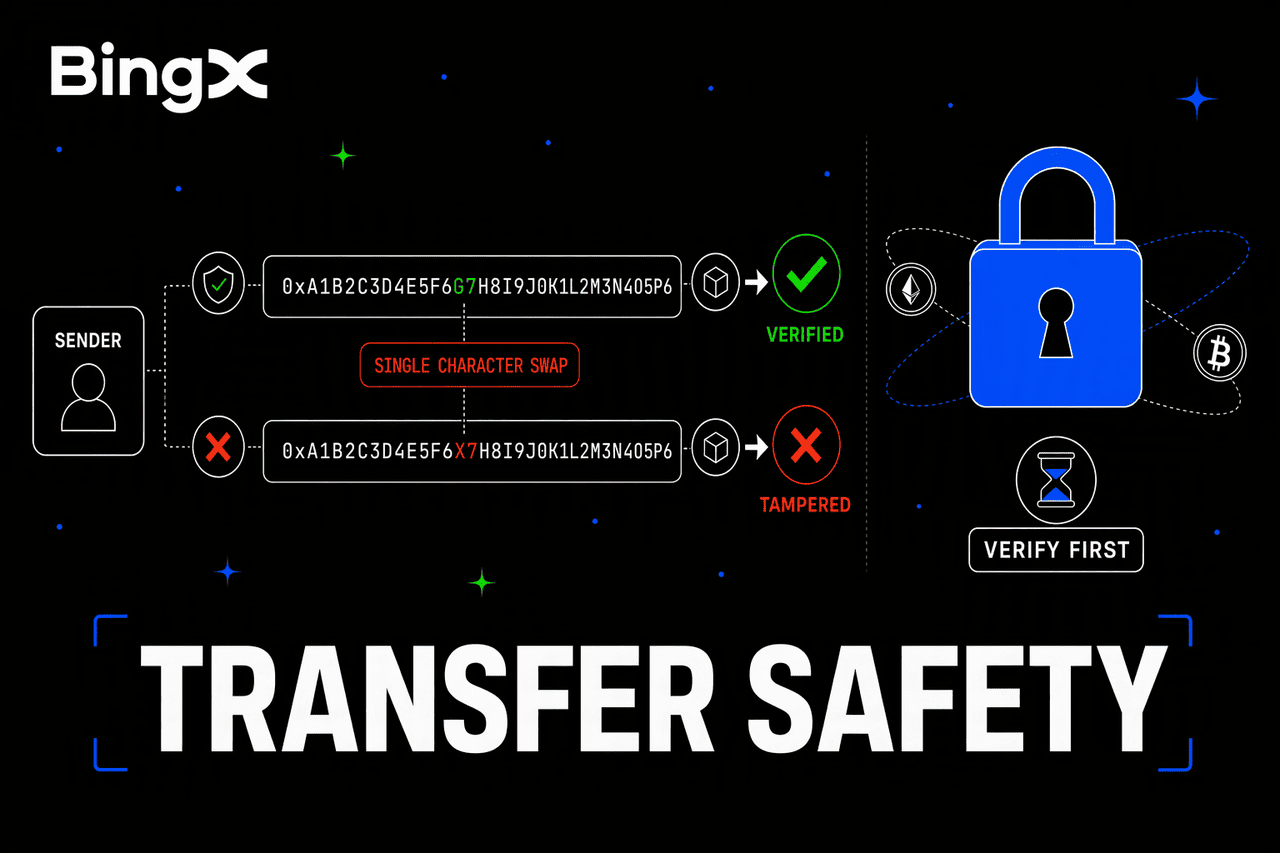
Cryptocurrency transfers require careful verification because confirmed blockchain transactions generally cannot be reversed. Scammers exploit this by replacing wallet addresses, creating fake deposit pages, or impersonating customer support to convince users to send funds to fraudulent accounts. Even a small mistake in the recipient address or blockchain network can result in lost assets.
Not every transfer error involves a scam. Selecting an unsupported network or copying an incorrect address can also prevent funds from reaching their intended destination. Understanding common transfer scams, recognizing overlooked warning signs, and checking transaction details before confirming can help users protect their crypto assets.
What Are the 5 Most Common Crypto Transfer Scams?
Crypto transfer scams often target users during deposits, withdrawals, or wallet transactions. Scammers may manipulate recipient addresses, provide misleading instructions, or create fake deposit pages to redirect funds. Five common methods include:
- Address swapping and clipboard hijacking: Malicious software or browser extensions can replace copied wallet addresses with scam-controlled ones. Attackers may also use address poisoning, sending small transactions from lookalike addresses to insert fraudulent addresses into transaction histories. Users who copy these addresses without verification may send funds to scammers.
- Network confusion: Scammers provide misleading instructions or pressure users to select an incorrect blockchain network. Sending tokens through a network unsupported by the receiving platform may prevent deposits from being credited, and recovery is not always possible.
- Fake customer support instructions: Scammers impersonate support agents, financial advisors, or community members to guide users through transfers. Although users complete the transactions themselves, the instructions may direct funds to scam-controlled wallets.
- Fake deposit and payment pages: Fraudulent websites imitate official exchange interfaces using copied logos, layouts, and deposit instructions. These pages may display scam-controlled wallet addresses or QR codes, redirecting funds to attackers.
- Fake identity verification requests: Scammers request private keys, wallet recovery phrases, or verification codes to supposedly confirm deposits or release funds. Sharing this information can allow attackers to access accounts, control wallets, or transfer assets without authorization.
These scams can affect both exchange accounts and external wallets. Verifying recipient addresses, blockchain networks, and transfer instructions can help reduce the risk of losing funds.
Read More: Top Crypto Phishing Scams to Know and How to Spot Them in 2026
What Are the Common Risks When Sending Crypto? 5 Key Blind Spots to Know
Crypto transfers can go wrong when users overlook small details or trust information that appears legitimate. Even when a transaction looks correct, a missed security check can result in lost funds. Five common blind spots include:
- Checking only part of a wallet address: Scammers may create addresses that look similar to legitimate ones, especially at the beginning or end. Checking only a few characters may not catch the difference. Always compare the full address against a verified source.
- Trusting copied or shared addresses: An address copied from your clipboard, transaction history, or chat message is not automatically safe. Malicious software can replace copied addresses, while scammers may share fake ones through messages or support accounts.
- Checking the token but forgetting the network: Even if the token and wallet address are correct, selecting an unsupported blockchain network can result in lost funds. Always confirm that both the sending and receiving platforms support the same network.
- Assuming official-looking messages are real: Scammers can copy logos, support names, and deposit instructions to appear legitimate. Use BingX Verify to check suspicious accounts or messages instead of trusting their appearance.
- Skipping security checks when rushed: Scammers often create urgency to prevent users from reviewing transaction details. Skipping address verification, security confirmations, or withdrawal whitelist checks can increase the risk of sending funds to the wrong destination.
How to Transfer Crypto Safely: 3 Essential Checks Before Sending Funds
Before sending crypto, check who provided the transfer instructions, whether the recipient address is correct, and whether you are using an official platform. Three simple checks can help prevent scams and transfer errors.
Run these 3 checks before every transfer:
- Who is directing this? If the instructions come from a stranger or an unofficial channel, stop and verify their identity. BingX support will never ask users to transfer funds through private messages. Use BingX Verify to check official accounts and channels.
- Is the full address correct? Compare every character of the wallet address, including its length, letter case, beginning, and end, against a verified source. Never rely on memory or copied addresses alone.
- Is this the official process? Make sure you are using the official BingX website or app. Confirm the recipient address, token, blockchain network, and required security verification before submitting. Be suspicious of anyone offering a shortcut to bypass security checks.
Build these two security habits:
- Send a small test transfer: Before transferring a large amount, send a small amount first and confirm it arrives successfully before sending the rest. Consider network fees and minimum deposit requirements.
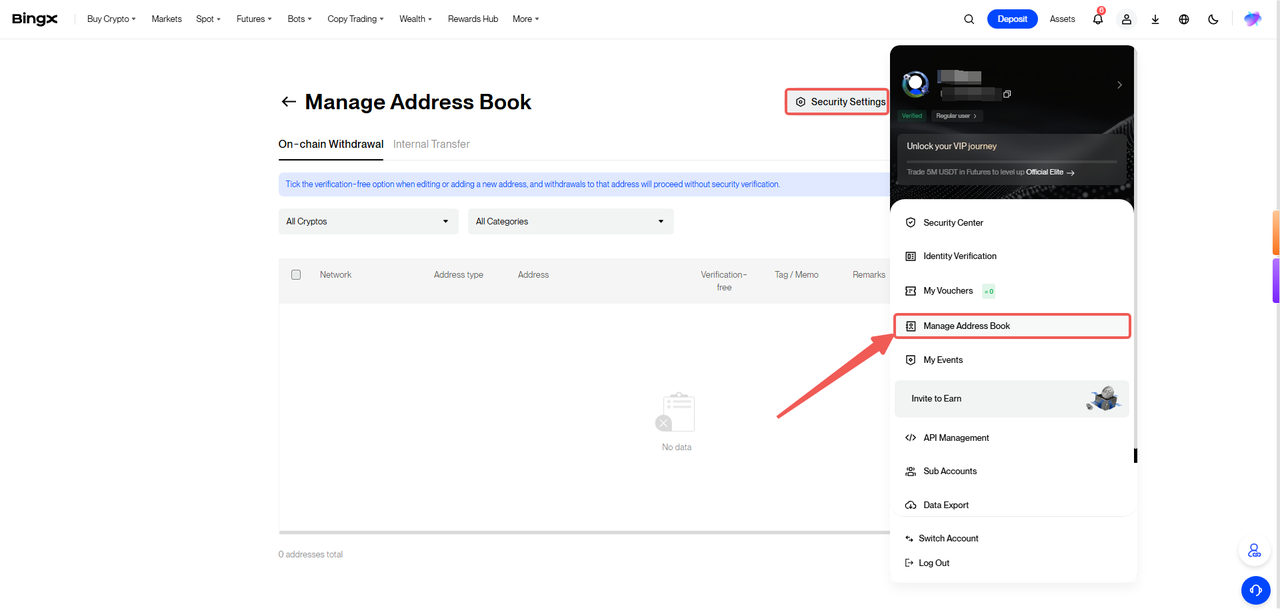
- Add trusted withdrawal addresses to your whitelist: Go to Account & Security → Withdrawal Whitelist to add frequently used addresses. This helps restrict withdrawals to approved destinations and provides an additional layer of protection against unauthorized transfers.
What to Do if You Have Sent Crypto to the Wrong Address or Network
If you have sent crypto to the wrong address, an unsupported network, or a suspected scammer, act quickly to protect your remaining funds. Confirmed blockchain transactions generally cannot be reversed, but recovery may be possible in some cases depending on the receiving platform and network.
- Stop further transfers: Do not send additional funds, even if someone promises to recover your assets. Check the transaction status and avoid following instructions from suspicious contacts.
- Contact official BingX Support: Report the incident through the BingX Help Center or Contact Support. Provide the transaction hash (TxID), timestamp, token, network, and recipient address. If you sent funds to another platform, contact its official support team as well.
- Secure your account and devices: If you installed suspicious software or allowed remote access, end unauthorized sessions and remove suspicious applications. Change your password and review two-factor authentication (2FA) settings if your credentials may have been exposed.
- Preserve evidence and report the incident: Save transaction records, wallet addresses, chat histories, screenshots, and suspicious links. Report suspected fraud to local law enforcement or an anti-fraud authority. See the full reporting procedure for what to prepare. Fund recovery is not guaranteed.
Avoid third-party recovery services that promise guaranteed refunds or demand additional payments. These may be secondary scams targeting previous victims.
Read More: Impersonation Scams: How to Spot Fake Customer Service and Avoid Fund Transfer Scams
Final Thoughts: Check Your Wallet Address and Network Before Sending Crypto
Crypto transfer scams exploit mistakes involving wallet addresses, blockchain networks, and fraudulent payment instructions. Clipboard hijacking, address poisoning, fake deposit pages, and impersonated support accounts can redirect funds even when users believe they are following legitimate procedures.
Before confirming a transfer, verify the recipient address, selected network, and source of instructions. Using official BingX channels, withdrawal whitelists, and small test transfers can help reduce risks, while prompt reporting remains important when suspicious transactions occur.
Risk Reminder: Blockchain transfers are generally irreversible, and scams can lead to permanent asset losses. Crypto trading also involves volatility and potential loss of principal. This article is for security education only, not investment advice. Always verify addresses and official channels, and contact BingX Support for account-related concerns.
