U.S. stock perpetual futures allow traders to take long or short positions on companies such as Apple, NVIDIA, and Tesla using USDT as margin. Unlike actual stock ownership, these derivatives provide leveraged price exposure without shareholder rights. Order-book liquidity, bid-ask spreads, funding rates, and trading fees influence execution costs, while leverage introduces additional liquidation risk.
BingX provides U.S. stock perpetual futures within its selection of 700+ TradFi perpetual instruments spanning stocks, indices, commodities, and forex. Its stock-linked contracts combine USDT margin, long and short trading, and advanced risk management tools with competitive order-book liquidity. This article compares six platforms by contract availability, market depth, trading costs, funding mechanisms, and execution features to help traders assess their options.
What Are U.S. Stock Perpetual Futures and How Do They Work With USDT?
U.S. stock perpetual futures are derivative contracts that track underlying stock prices without a fixed expiration date. Unlike traditional futures, they use periodic funding payments to help keep contract prices aligned with reference prices. Traders can maintain positions as long as margin requirements are met, although funding costs and liquidation risks increase with leverage and holding periods.
On BingX, eligible users can trade stock perpetual futures through BingX TradFi, using market or limit orders and take-profit and stop-loss settings. Contract-specific leverage limits, margin requirements, and funding rates determine trading conditions. Liquidity depends on available order-book depth, while trading schedules may extend beyond regular U.S. stock market hours.
Read More: How to Trade Forex, Commodities, Stocks, and Indices With BingX TradFi: A Beginner’s Guide (2026)
How to Choose a Platform for U.S. Stock Perpetual Futures: 5 Key Factors
Selecting a platform for U.S. stock perpetual futures requires evaluating more than contract availability. Order-book liquidity, trading fees, funding rates, and risk management tools influence execution costs and trading conditions. Traders should compare these factors across individual contracts rather than relying on the total number of listed instruments.
- Stock perpetual selection: Compare available U.S. stock contracts, supported companies, and USDT margin requirements. Published totals may include ETFs, indices, international equities, and other TradFi instruments.
- Order-book depth and liquidity: Evaluate bid-ask spreads and available orders across price levels. Deeper liquidity near the market price can reduce slippage and price impact, particularly for larger positions.
- Trading fees and funding rates: Compare maker and taker fees, funding rates, and payment intervals. Funding costs affect holding expenses, while eligible BingX users may benefit from promotional 0% trading fees in selected regions, excluding API trading.
- Trading hours and market access: Review contract-specific trading schedules, extended-hours availability, and regional restrictions. Market closures and price-feed interruptions can affect liquidity and execution.
- Order types and risk management: Compare market and limit orders, leverage limits, margin modes, and take-profit and stop-loss settings. Review liquidation prices and margin requirements before opening positions.
Read More: How to Calculate Futures Trading Costs: Decoding Opening Fees, Funding Rates and Slippage on BingX
U.S. Stock Perpetual Futures Exchanges Compared: Contract Coverage, Liquidity, and Features
The table compares U.S. stock perpetual futures across six crypto exchanges. BingX offers stock-linked contracts within its 700+ TradFi perpetual instruments, while the other five platforms are compared using TokenInsight's July 29, 2026 equity perpetual coverage data. Contract selection, trading fees, leverage controls, and market access vary by platform and region.
|
Criterion |
BingX |
Binance |
Bybit |
OKX |
Bitget |
MEXC |
|
Published contract coverage |
700+ TradFi perpetuals across asset classes |
148 equity perpetuals |
147 equity perpetuals |
42 equity perpetuals |
235 equity perpetuals |
310 equity perpetuals |
|
Stock contract margin |
USDT |
USDT for eligible contracts |
USDT for eligible contracts |
USDT for eligible contracts |
USDT for eligible contracts |
USDT for eligible contracts |
|
Selected stock markets |
AAPL, TSLA, NVDA, and others |
NVDA, META, GOOGL |
AAPL, TSLA |
AAPL, MSFT |
AAPL, META |
Selected U.S. equities |
|
Trading access |
Selected markets beyond U.S. stock hours |
Selected contracts 24/7 |
Selected contracts 24/7 |
Selected contracts 24/7 |
Contract-specific hours |
Contract-specific hours |
|
Trading fees |
0% maker and taker for eligible users during promotion |
Varies by account and contract |
Varies by account and contract |
Varies by account and contract |
Varies by account and contract |
Varies by account and contract |
|
Trading tools |
Market and limit orders, TP/SL, margin controls |
Market and limit orders, margin controls |
Market and limit orders, TP/SL |
Charts, order book, TP/SL |
Market and limit orders, TP/SL |
Order book, futures controls |
How Does BingX Combine Broad U.S. Stock Perpetual Selection With Leading Liquidity?
According to BingX's September 2026 liquidity report, BingX ranked No. 1 in order-book depth across selected stock perpetual futures, alongside one of the industry's broadest TradFi contract selections. The platform now offers 700+ TradFi perpetual instruments across stocks, indices, commodities, and forex. Across major stock contracts, including Apple (AAPL), Tesla (TSLA), and SpaceX (SPCX), BingX recorded 2.2 times the average order-book depth of the second-ranked exchange.
A separate group of AI and semiconductor stocks, including Alphabet (GOOGL), Broadcom (AVGO), SK Hynix (SKHYNIX), and Intel (INTC), recorded 1.7 times the average depth of the second-ranked exchange. The analysis measured order-book depth within 0.1%, 0.5%, and 1% of market prices. These are historical group averages rather than individual contract results, and actual execution depends on live spreads, available liquidity, and order size.
|
Highlighted Stock Perpetual |
Market Category |
Reported Group Average Depth |
|
Apple (AAPL) |
Major U.S. stocks |
2.2× |
|
Tesla (TSLA) |
Major U.S. stocks |
2.2× |
|
SpaceX (SPCX) |
Major U.S. stocks |
2.2× |
|
Alphabet (GOOGL) |
AI and semiconductor stocks |
1.7× |
|
Broadcom (AVGO) |
AI and semiconductor stocks |
1.7× |
|
SK Hynix (SKHYNIX) |
AI and semiconductor stocks |
1.7× |
|
Intel (INTC) |
AI and semiconductor stocks |
1.7× |
Read More: Best Multi-Asset Platforms for Crypto and U.S. Stock Liquidity in 2026
Best Platforms With the Most U.S. Stock Perpetual Futures to Trade With USDT
Crypto exchanges provide different levels of access to U.S. stock perpetual futures, with variations in contract selection, order-book liquidity, trading fees, and funding rates. Unlike actual stock ownership, these derivatives allow traders to take leveraged long or short positions using USDT as margin. The following six platforms are compared based on contract availability, execution conditions, and risk management features.
1. BingX: Best for the Largest TradFi Perpetual Selection and U.S. Stock Liquidity

BingX offers one of the broadest selections of USDT-margined TradFi perpetual futures, with 700+ instruments across stocks, indices, commodities, and forex. In August 2026, BingX reported the largest TradFi perpetual selection among major trading platforms, exceeding the second-ranked exchange by more than 20% based on its internal benchmarking. Eligible users can trade contracts linked to Apple, Tesla, NVIDIA, and other major U.S. companies alongside cryptocurrency markets.
According to BingX's September 2026 liquidity report, the platform also recorded 2.2 times the average order-book depth of the second-ranked exchange across selected AAPL, TSLA, and SPCX perpetuals. This combination of broad market coverage, strong liquidity in selected contracts, and flexible trading tools supports different stock-linked derivatives strategies.
- Largest TradFi perpetual selection with 700+ instruments: Access contracts across stocks, indices, commodities, and forex, with BingX reporting the industry's largest selection among major platforms.
- USDT-margined stock perpetuals: Open long or short positions on supported U.S. stocks without owning the underlying shares.
- Leading selected stock liquidity: BingX reported 2.2× the average order-book depth of the second-ranked exchange across AAPL, TSLA, and SPCX.
- Competitive trading costs: Eligible users in selected regions can access 0% maker and taker fees during the TradFi promotion, excluding API trading.
- Advanced risk management: Use market and limit orders, account TP/SL settings, fixed risk, leverage controls, and supported margin modes.
Read More: Best Multi-Asset Platforms for Crypto and U.S. Stock Liquidity in 2026
2. Binance
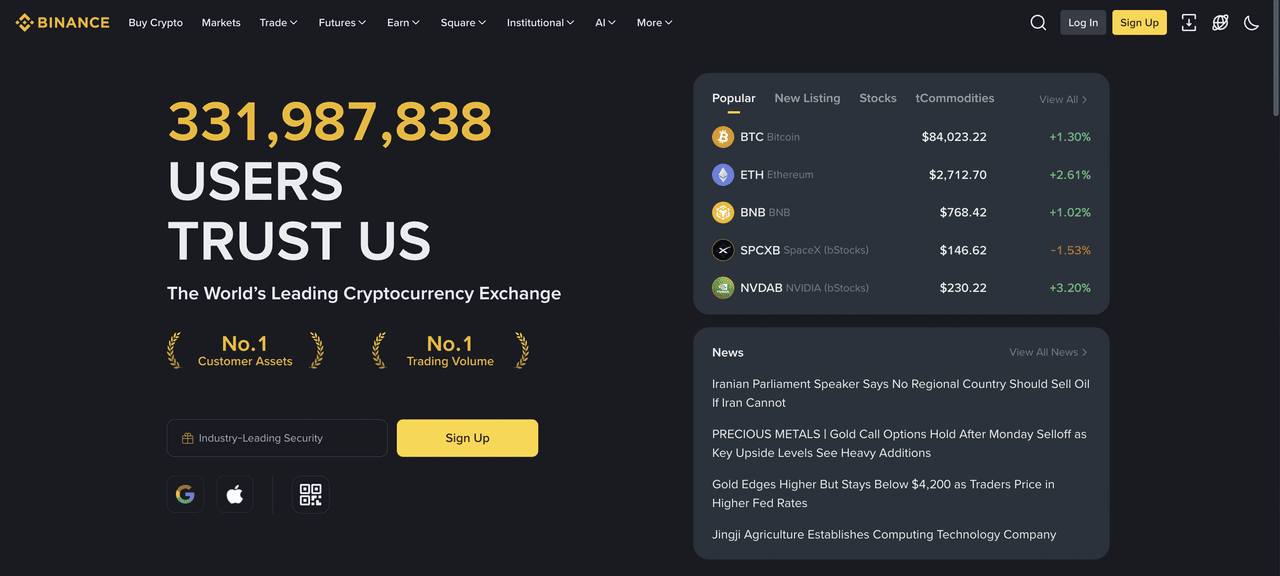
Binance offers USDT-margined U.S. stock perpetual futures alongside cryptocurrency and other TradFi contracts. Available markets include NVIDIA, Meta, and Alphabet, with support for leveraged long and short positions. TokenInsight recorded 148 equity perpetual contracts on Binance in its July 29, 2026 snapshot.
Binance provides market and limit orders, margin controls, and futures risk management tools. Trading fees, funding rates, and available liquidity vary by contract, making live order-book depth and execution costs important considerations when trading stock-linked derivatives.
3. Bybit
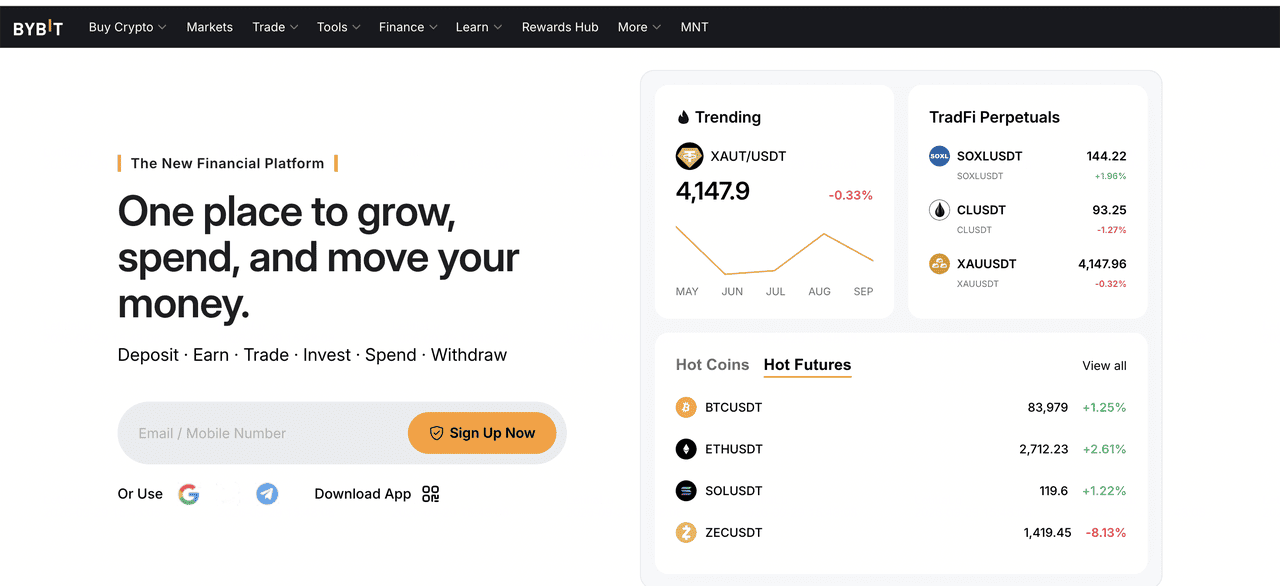
Bybit provides USDT-margined stock perpetual futures covering major U.S. companies, including Apple and Tesla. Its futures trading interface supports long and short positions, market and limit orders, conditional orders, and risk management tools through its Unified Trading Account.
TokenInsight recorded 147 equity perpetual contracts on Bybit in July 2026. Available markets and trading conditions may have changed since that snapshot, while bid-ask spreads, funding rates, and leverage requirements vary across individual contracts.
Read More: BingX vs. Bybit 2026: Which Is Better for Spot and Futures Trading? Pros, Cons and Fees Compared
4. OKX
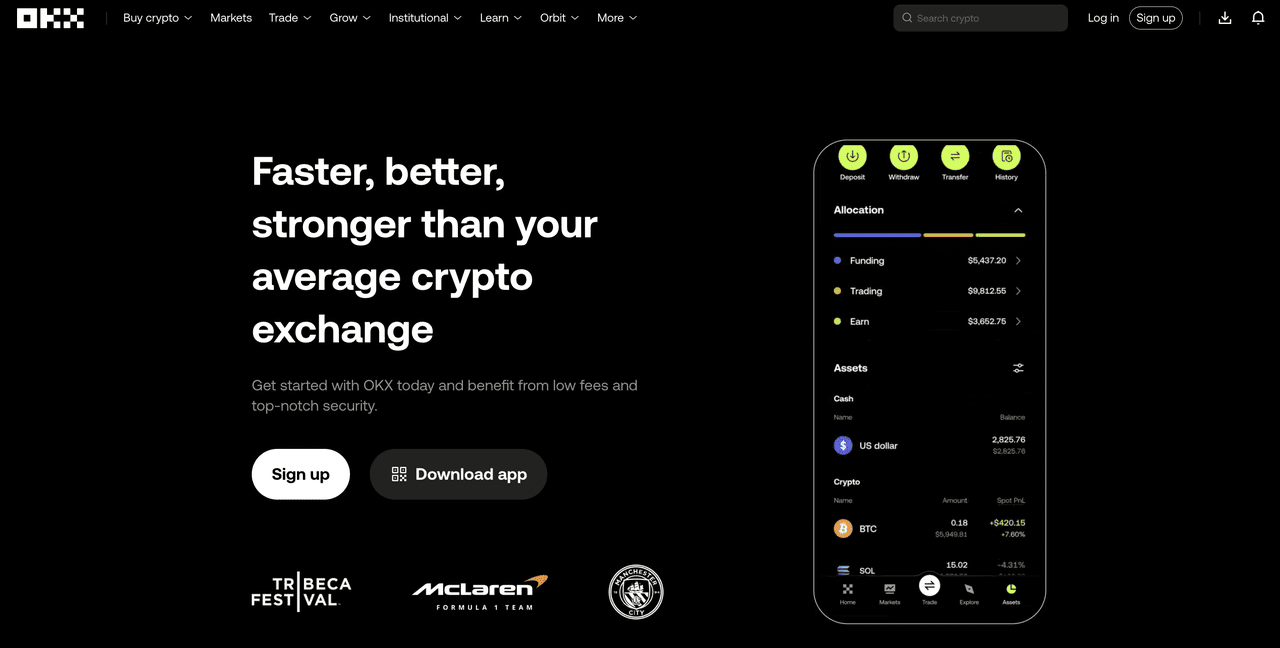
OKX offers USDT-margined stock perpetual futures linked to selected U.S. companies, including Apple and Microsoft. Its derivatives platform provides live order books, technical charts, market and limit orders, and TP/SL settings. Trading schedules may extend beyond regular U.S. stock market hours for supported contracts. TokenInsight counted 42 equity perpetual contracts on OKX in its July 2026 snapshot. Contract availability, funding rates, leverage limits, and trading liquidity depend on the specific market and account eligibility.
5. Bitget
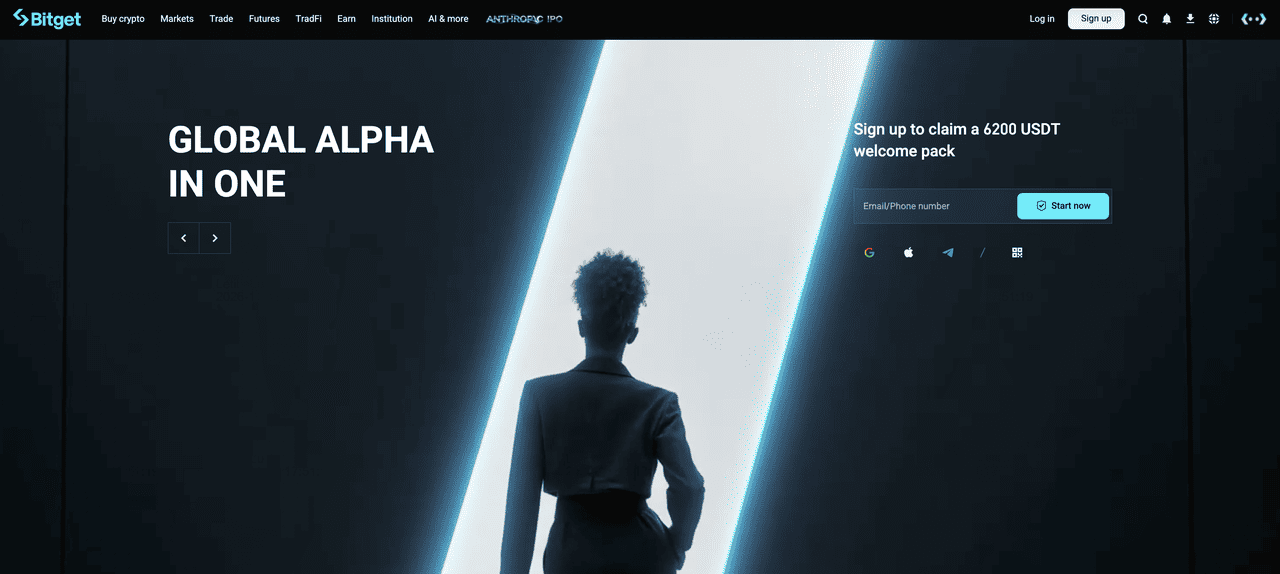
Bitget provides USDT-margined stock perpetual futures covering major U.S. companies, including Apple and Meta. Its derivatives offering supports leveraged long and short positions, market and limit orders, and take-profit and stop-loss settings alongside other cryptocurrency and TradFi contracts.
TokenInsight recorded 235 equity perpetual contracts on Bitget in July 2026. Its selection includes equity-linked instruments beyond individual U.S. stocks, while contract-specific spreads, funding rates, and trading conditions determine execution costs.
6. MEXC
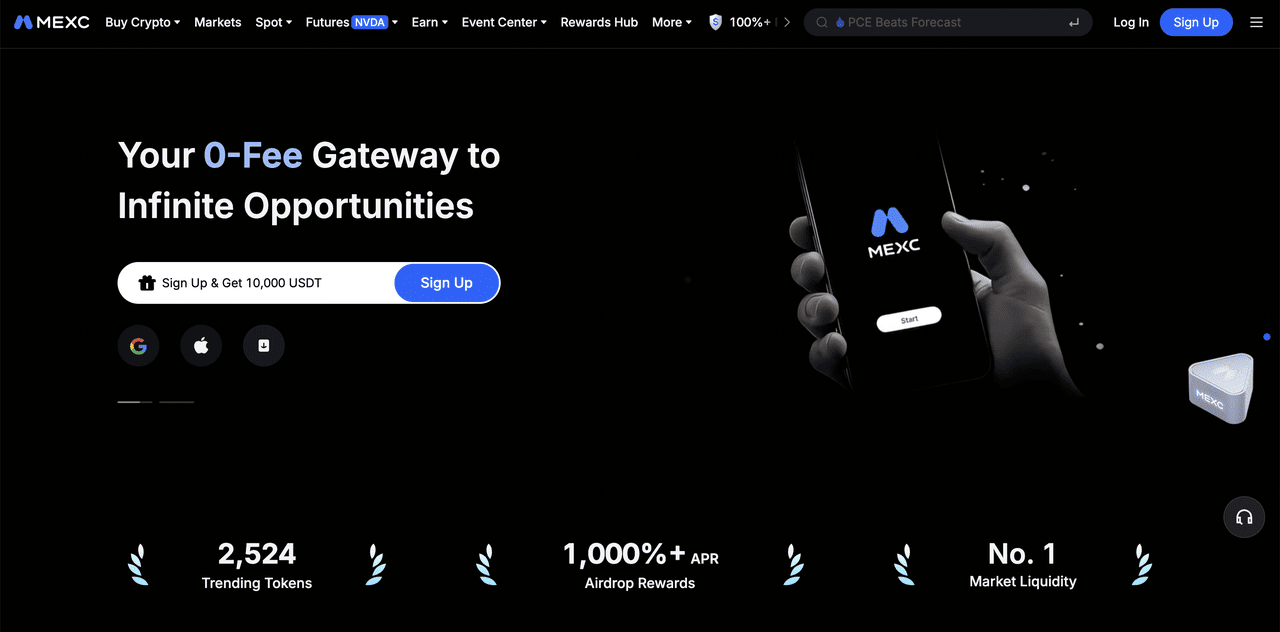
MEXC offers USDT-margined equity perpetual futures alongside cryptocurrency and other TradFi derivatives. TokenInsight recorded 310 equity perpetual contracts on MEXC in its July 29, 2026 snapshot, the largest selection among the five exchanges covered by that study. The figure includes equity-linked contracts rather than U.S. individual stocks alone.
MEXC provides futures order books, leverage settings, and position management tools across supported markets. Contract availability, bid-ask spreads, trading fees, and funding rates vary, particularly for less actively traded stock perpetuals and during extended trading sessions.
Read More: BingX vs. MEXC 2026: Which Is Better for Spot and Futures Trading? Pros, Cons and Fees Compared
How to Trade U.S. Stock Perpetual Futures on BingX: 5 Simple Steps
BingX allows eligible traders to open long or short U.S. stock perpetual futures positions using USDT as margin, without owning the underlying shares. Follow these five steps to get started.
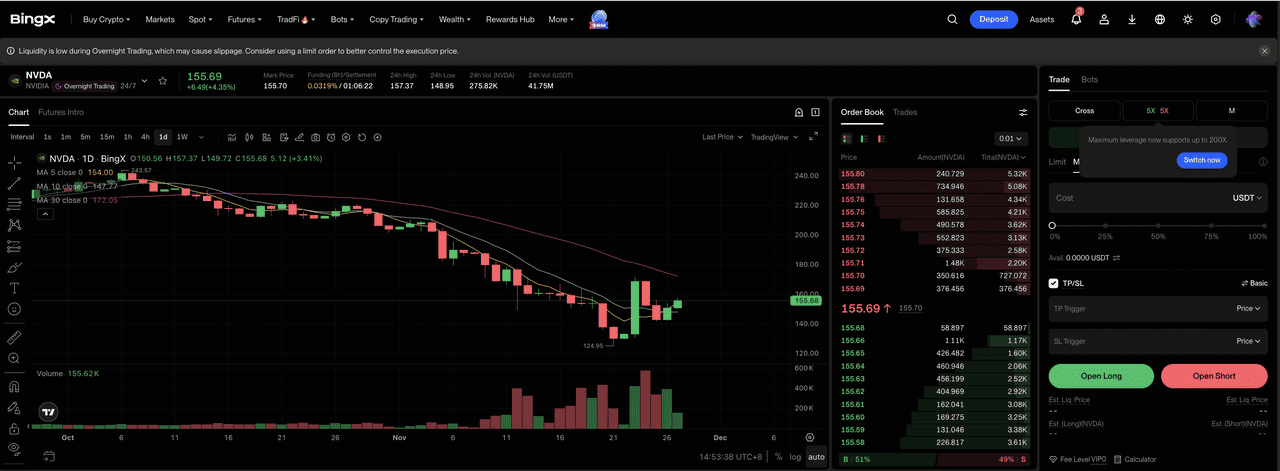
Step 1: Access BingX TradFi. Sign up or log in to your BingX account and navigate to the BingX TradFi market to explore available U.S. stock perpetual futures.
Step 2: Select a U.S. Stock Perpetual Contract. Choose a stock perpetual such as AAPL-USDT, TSLA-USDT, or NVDA-USDT. Review the current contract price, bid-ask spread, order-book depth, and funding rate before trading.
Step 3: Prepare USDT Margin. Deposit or transfer USDT into your BingX Futures Account to use as margin for your stock perpetual position.
Step 4: Choose Your Direction and Place Your Trade. Select Isolated or Cross-Margin, adjust your leverage, and choose a market or limit order. Click Open Long if you expect the stock price to rise or Open Short if you expect it to fall.
Step 5: Manage Your Position and Trading Risk. Set Take-Profit and Stop-Loss (TP/SL) levels, or use BingX Fixed Risk on supported contracts to calculate position size based on your maximum acceptable loss. Monitor your margin, liquidation price, and funding fees while your position remains open.
5 Risks to Consider When Trading U.S. Stock Perpetual Futures
U.S. stock perpetual futures offer flexible trading hours and leveraged market exposure, but liquidity, funding costs, and execution conditions vary by contract. Traders should consider five key risks before opening a position.
- Leverage can amplify losses: Even small adverse stock price movements can cause substantial losses relative to the margin committed, particularly at higher leverage.
- Liquidation may occur before a stop-loss executes: Positions can be liquidated when margin falls below maintenance requirements. Stop-loss orders do not guarantee execution at the intended price or before liquidation.
- Funding rates and trading fees affect returns: Periodic funding payments, maker and taker fees, and bid-ask spreads can increase trading costs, particularly when positions remain open for extended periods.
- Liquidity can weaken outside regular market hours: Order-book depth may decline and spreads may widen during volatile events or when underlying U.S. stock markets are closed, increasing slippage.
- Perpetual prices may diverge from underlying stocks: Separate order books, funding mechanisms, market closures, and price adjustments can cause contract prices to differ from underlying share prices.
Conclusion: Why BingX Is a Strong Platform for U.S. Stock Perpetual Futures
Crypto exchanges offer different levels of U.S. stock perpetual coverage, liquidity, trading fees, and risk management features. While contract selection provides a starting point for comparison, available order-book depth, bid-ask spreads, funding rates, and margin requirements ultimately influence trading costs and execution quality. Traders should evaluate live contract specifications rather than relying on historical listing counts alone.
BingX offers 700+ TradFi perpetual instruments across stocks, indices, commodities, and forex, representing its reported leading selection among major platforms. Its September 2026 liquidity analysis recorded 2.2× the average order-book depth of the second-ranked exchange across selected major U.S. stock perpetuals. Combined with USDT margin, advanced risk management tools, and promotional 0% maker and taker fees for eligible users, BingX provides a competitive environment for stock-linked derivatives trading.
Risk Reminder: U.S. stock perpetual futures involve leverage, market volatility, and liquidation risk. Funding rates, spreads, and contract prices can change rapidly, particularly outside regular market hours. Trading conditions and product availability vary by region and account. Investors should assess margin requirements and risk tolerance before opening positions.
Related Reading
- Best Multi-Asset Platforms for Crypto and U.S. Stock Liquidity in 2026
- How to Trade Forex, Commodities, Stocks, and Indices With BingX TradFi: A Beginner’s Guide (2026)
- What Is BingX Fixed Risk and How to Use It for Futures Trading?
- How Does Liquidity Affect Trading Costs? Trade With Lower Costs on BingX
FAQs About U.S. Stock Perpetual Futures and USDT
1. Which Platform Offers the Most U.S. Stock Perpetual Futures?
BingX reports the largest TradFi perpetual selection among major platforms, offering 700+ instruments across stocks, indices, commodities, and forex. However, this figure does not represent U.S. stock perpetuals alone.
2. Can I Trade U.S. Stock Perpetual Futures With USDT on BingX?
Yes. Eligible users can trade supported U.S. stock perpetual futures on BingX using USDT as margin. Contract availability, leverage limits, and trading conditions vary by market and region.
3. Do I Own the Stock When Trading a Perpetual Future?
No. Stock perpetual futures provide price exposure without ownership of the underlying shares, dividend entitlements, or shareholder voting rights.
4. Can Stock Perpetual Futures Trade Outside U.S. Market Hours?
Yes. Some BingX stock perpetuals support trading beyond regular U.S. market hours, subject to contract schedules. Liquidity may decline and spreads may widen when underlying stock markets are closed.
5. What Fees Apply to Stock Perpetual Futures on BingX?
Trading fees, funding payments, and spreads can affect returns. Eligible users in selected regions may access 0% maker and taker fees during BingX's TradFi promotion, excluding API trading. Funding costs still apply.
6. Does a Larger Contract Selection Mean Better Liquidity?
No. Contract selection does not guarantee deeper liquidity. BingX reported 2.2× average order-book depth versus the second-ranked exchange across selected major stock perpetuals in September 2026, but execution depends on live spreads, depth, and order size.
