

Cosmos (ATOM) remains the centerpiece of the interoperable blockchain universe. As of early 2026, the Cosmos Hub sits at the heart of the Inter-Blockchain Communication (IBC) protocol, with over 65% of the total ATOM supply staked to secure the network. Unlike networks with fixed or low yields, Cosmos offers a dynamic and highly attractive reward rate, currently ranging between 14% and 20% APR, depending on the total staking ratio of the network.
For ATOM holders, staking is a vital contribution to network security and a powerful way to offset the token’s built-in inflation. Whether you are using a dedicated hardware wallet for maximum security or a centralized platform for ease of use, this guide provides the technical steps and risk-management strategies needed to navigate the Cosmos ecosystem in 2026.
What Is the Cosmos (ATOM) Hub Layer-1 Blockchain?
Cosmos is a decentralized network of independent, parallel blockchains, often referred to as the Internet of Blockchains. Launched by the Tendermint team, it solves the silo problem in crypto by allowing different blockchains to communicate and swap assets seamlessly through the IBC protocol. The Cosmos Hub was the first blockchain launched on the network, acting as a central router for the entire ecosystem.
As of February 2026, the Cosmos Hub utilizes a Delegated Proof-of-Stake (DPoS) consensus mechanism. This allows the network to process thousands of transactions per second with near-instant finality, all while maintaining a robust validator set that secures billions in cross-chain value.
What Is the Role of the ATOM Token in the Cosmos Hub?
ATOM is the native staking and utility token of the Cosmos Hub. Unlike many other tokens, ATOM does not have a hard-capped supply; instead, its inflation rate is dynamic, between 7% and 20%, to incentivize a target staking rate of 67% of the total supply.
Primary uses of ATOM include:
• Staking: Securing the Hub and earning a share of block rewards and transaction fees.
• Governance: Voting on text proposals or software upgrades that shape the future of the Hub.
• Gas Fees: Paying for transactions across the Cosmos Hub.
• Interchain Security (ICS): In 2026, ATOM stakers also earn additional rewards from consumer chains that rent security from the Cosmos Hub.
What Is Cosmos (ATOM) Staking and How Does It Work?
Cosmos staking involves bonding your ATOM to a Validator. Validators are the high-performance nodes responsible for proposing and voting on new blocks. Because running a validator requires significant technical infrastructure, most users act as Delegators.
By delegating your ATOM, you effectively add your voting power to a validator. In return for your support, the validator shares the rewards they earn with you, minus a small commission fee, typically 5% to 10%.
Key Terms to Know Before Staking ATOM on Cosmos
• Unbonding Period: A mandatory 21-day lock-up. If you decide to stop staking, you must wait 21 days to access your funds. During this time, you earn zero rewards.
• Slashing: A penalty where a portion of your staked ATOM is burned if your chosen validator acts maliciously or experiences prolonged downtime.
• Commission: The percentage of rewards kept by the validator for their service.
• Claiming: Unlike some chains, Cosmos rewards do not automatically compound; you must manually Claim them to your wallet.
Why Stake Cosmos (ATOM) in 2026?
With the maturity of the Interchain Security model in 2026, ATOM stakers are no longer just earning ATOM. They are increasingly receiving airdropped rewards from new chains launching within the Cosmos ecosystem. This multi-token yield makes ATOM one of the most productive assets in a Web3 portfolio. Furthermore, with native yields hovering around 19%, staking is essential to protect your holdings against the network's natural inflation.
What Are the Top 3 Ways to Stake ATOM in 2026?
The Cosmos ecosystem offers various levels of security and convenience. Choosing the right method depends on your technical comfort and the amount of ATOM you hold.
1. Native Staking via Cosmos Hub: Self-Custody
For those who want the full Interchain experience, using a native Cosmos wallet like Keplr or Cosmostation is the gold standard.
How to Stake Cosmos (ATOM) via the Keplr Wallet
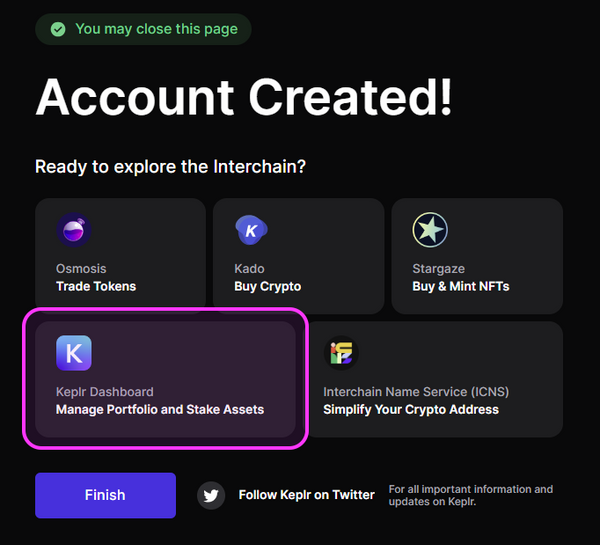
ATOM staking on Keplr wallet | Source: Cosmos Network
1. Install a Wallet: Download the Keplr browser extension or mobile app.
2. Deposit ATOM: Buy ATOM on BingX and send the tokens to your Cosmos self-custody wallet address.
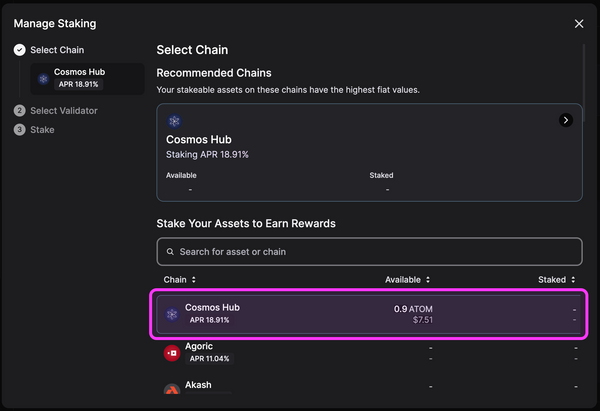
Source: Cosmos Network
3. Select a Validator: Open the Keplr Dashboard and view the validator list. Look for providers with a high VSP Score, e.g., Allnodes, Cosmostation, or Stakefish.
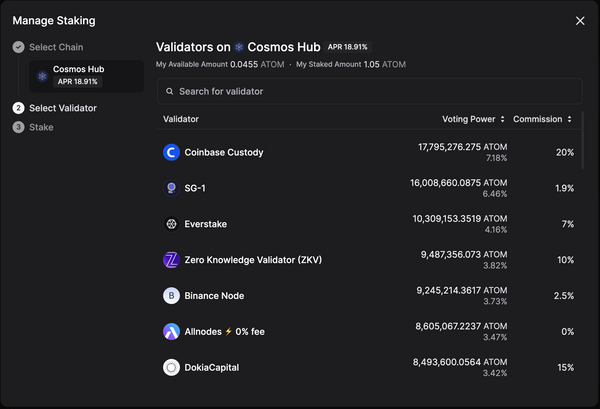
Source: Cosmos Network
4. Delegate: Click Stake, enter the amount, and confirm.
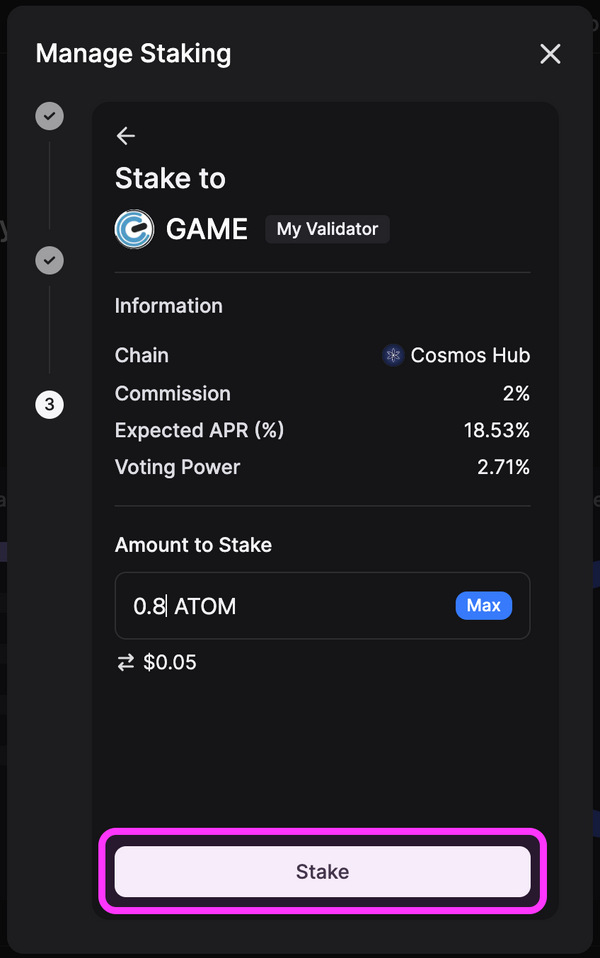
Source: Cosmos Network
5. Manage: Remember to check back periodically to Claim and Restake rewards to benefit from compounding.
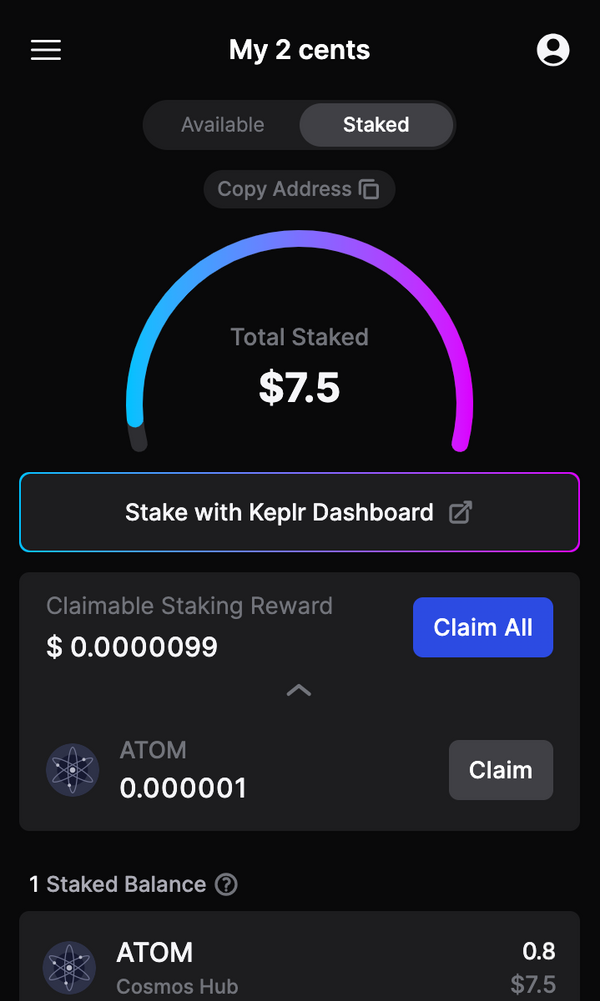
Source: Cosmos Network
Learn more about how to buy Cosmos (ATOM) on BingX in our beginner's guide.
2. Stake ATOM Using Hardware Wallets: Maximum Security
For long-term HODLers and those with large balances, hardware wallets like Ledger or Trezor provide an offline layer of security.
How to Stake ATOM via Ledger Wallet
1. Connect Device: Connect your Ledger device to your computer and open the Ledger Live app.
2. Install Cosmos App: Ensure the latest Cosmos (ATOM) app is installed on your hardware device.
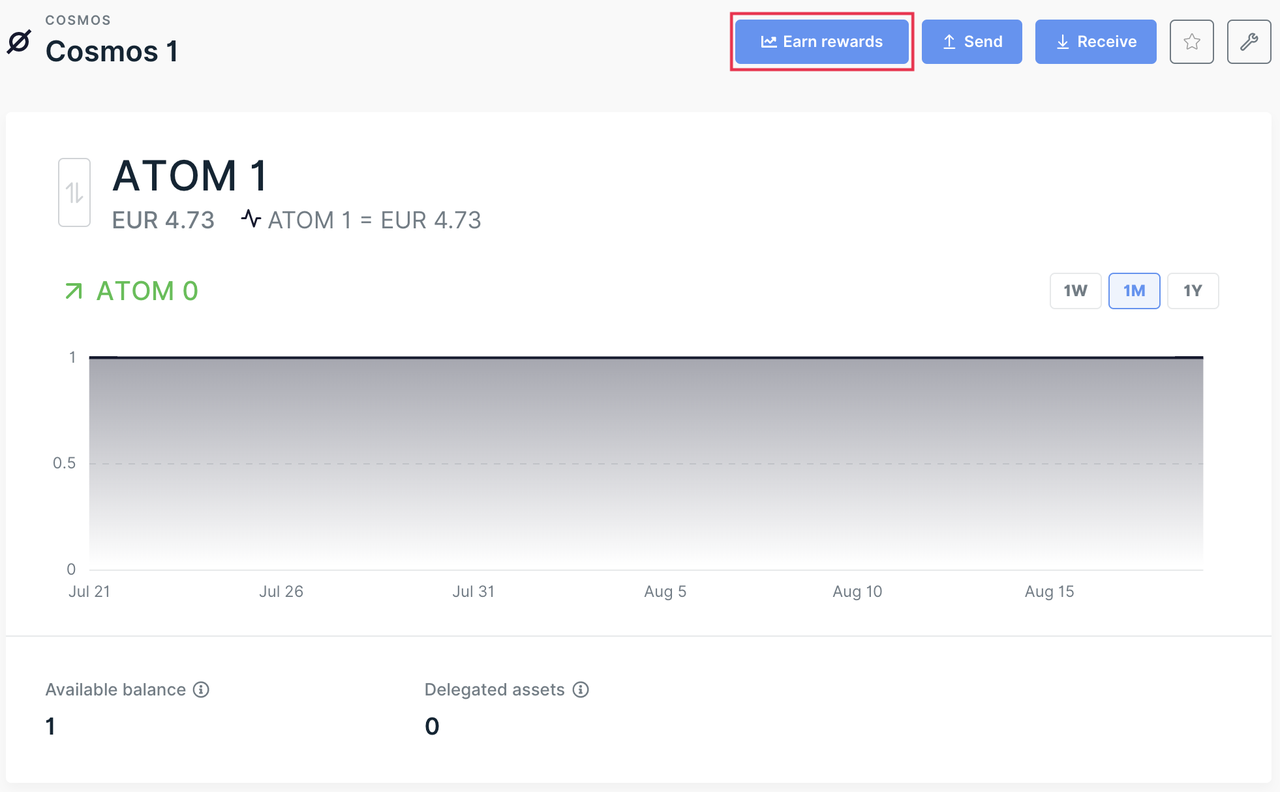
Source: Ledger
3. Delegate Natively: You can stake directly within Ledger Live by clicking Earn Rewards on your ATOM account.
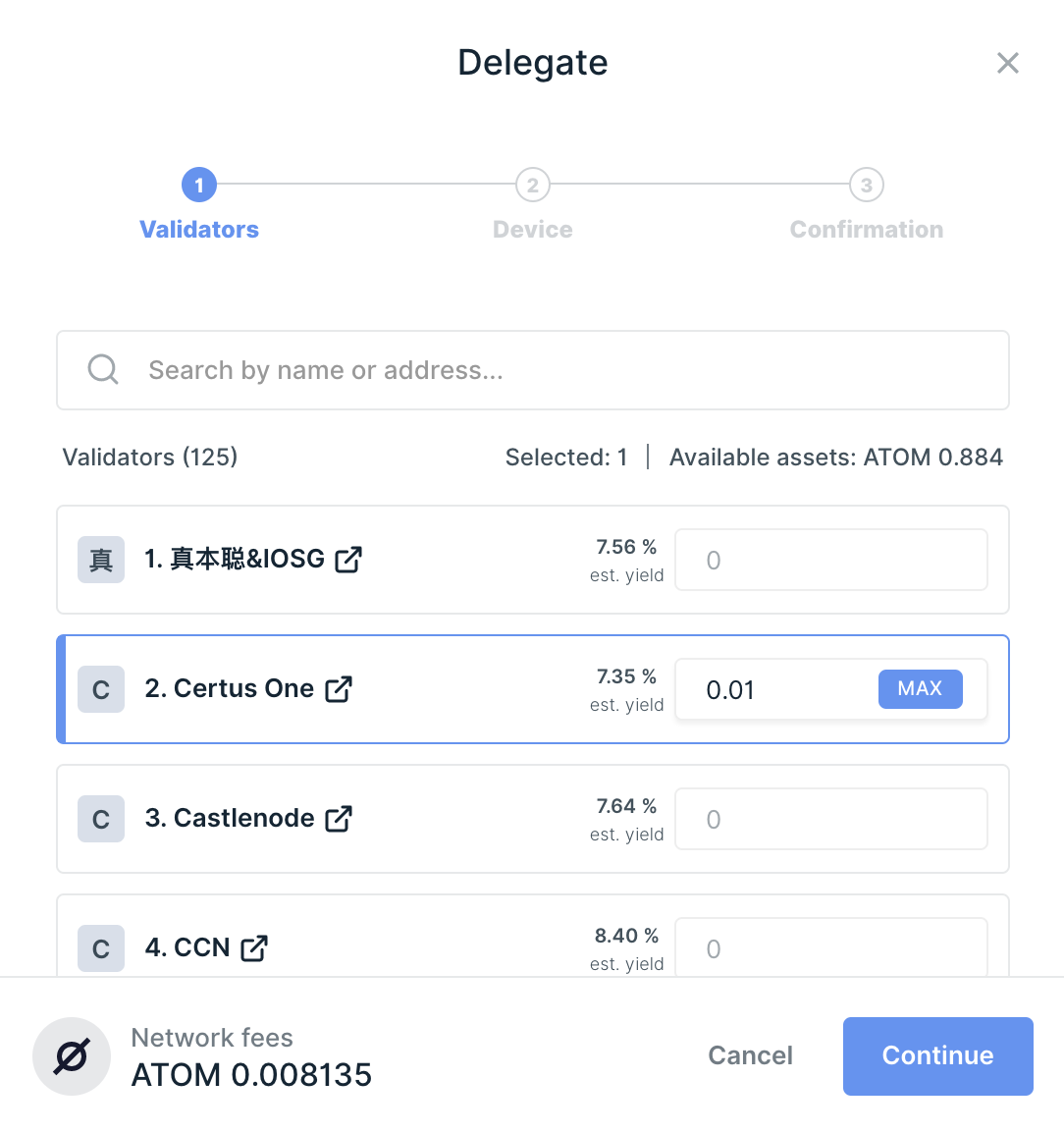
Source: Ledger
4. Verify on Device: The most critical step is physically confirming the staking transaction on your Ledger screen. This ensures your private keys never touch the internet.
Expert Tip: You can also connect your Ledger to the Keplr interface for a better UI while keeping your keys stored safely on the hardware.
3. Stake ATOM via Centralized Exchanges (CEXs) for Beginners
While some users prefer the convenience of an exchange, it is important to note that BingX Earn does not currently support ATOM staking as of February 2026. However, if you choose to use other centralized platforms for ATOM, keep the following in mind:
• Ease of Use: You don't have to manage private keys or worry about manual claiming.
• Lower Yields: Exchanges typically take a significantly higher commission, often 20% or more, resulting in a lower net APR for you.
• Custodial Risk: You do not own your keys. If the platform faces issues, your assets may be at risk.
• No Governance: Most exchanges do not allow you to vote on Cosmos Hub proposals.
How to Buy Cosmos (ATOM) on BingX Spot Market
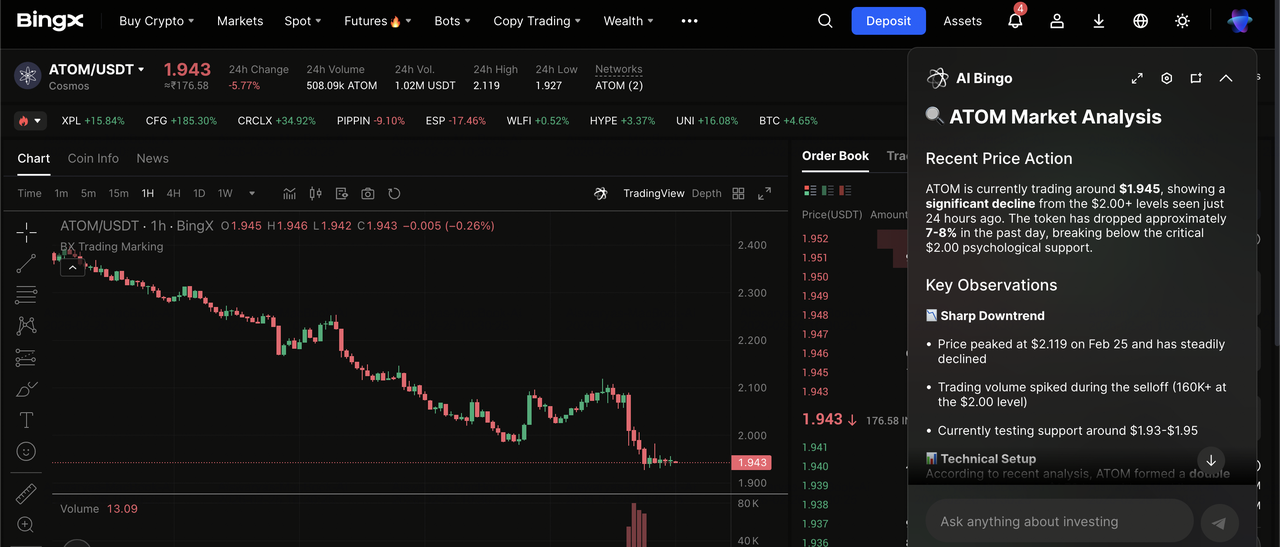
ATOM/USDT trading pair on the spot market powered by BingX AI analysis
Before you begin your staking journey, you can utilize BingX AI, the platform’s intelligent trading assistant, to analyze real-time market trends and identify the most optimal entry points for your ATOM purchase.
1. Fund Your Account: Navigate to the Buy Crypto section to purchase USDT using a credit/debit card, Apple Pay, or bank transfer. If you already hold crypto elsewhere, you can deposit USDT directly into your BingX wallet.
2. Access the Spot Market: On the BingX app or website, go to the Spot tab and search for the ATOM/USDT trading pair.
3. Execute Your Trade: Select Market Order for an instant purchase at the current market price. Enter the amount of USDT you wish to spend and click Buy ATOM.
4. Confirm Holdings: Once the trade is executed, your tokens will appear in your Spot Account, ready to be transferred to a native wallet or hardware device for staking.
How to Manage Risks and Maximize ATOM Staking Rewards
Before you start optimizing yields, it’s important to understand the key risks involved and the practical strategies you can use to protect capital while improving your ATOM staking returns over time.
• Avoid 0% Fee Validators: While attractive, validators with 0% fees often lack the revenue to maintain high-quality hardware, increasing the risk of downtime and slashing.
• Diversify Delegations: Don't put all your ATOM with one validator. Spread your stake across 2 or 3 highly-rated providers to mitigate slashing risk.
• Monitor the 21-Day Window: Never stake funds that you might need for an emergency within the next three weeks. The 21-day unbonding period is a hard protocol rule that cannot be bypassed.
• Check for Airdrops: Many new Cosmos projects take snapshots of active stakers. Check community portals like Cosmos Airdrops to see if your staking activity has qualified you for free tokens.
Final Word: Should You Stake Cosmos (ATOM) in 2026?
Deciding whether to stake ATOM in 2026 requires balancing the network’s high-yield potential against its specific liquidity constraints. With a base reward rate hovering around 19.4% and the added value of Interchain Security (ICS) rewards from consumer chains, the Cosmos Hub offers one of the most competitive real yields in the Layer-1 sector. For long-term holders, staking is a primary mechanism to mitigate the effects of the network’s dynamic inflation while actively participating in the governance of the Internet of Blockchains.
However, participants must remain mindful of the technical and market risks inherent in the Cosmos ecosystem. The 21-day unbonding period serves as a significant liquidity barrier; during this three-week window, assets earn no rewards and cannot be traded to react to market volatility. Furthermore, users are exposed to validator performance risks, including potential slashing for downtime or double-signing. As with any digital asset, the USD value of rewards can be offset by price fluctuations, making a diversified approach to validator selection and risk management essential for all stakers.
Risk Reminder: Cryptocurrency staking involves protocol and market risks. Your staked assets are subject to a 21-day lock-up period and potential slashing penalties. Never stake more than you can afford to lose, and ensure you perform due diligence on all third-party validators and wallet providers.
Related Reading
FAQs on Cosmos (ATOM) Staking
1. Is there a minimum amount of ATOM required to stake?
Technically, you can stake as little as 0.01 ATOM, but you should ensure your rewards will be enough to cover the small Claim transaction fees.
2. Can I lose my ATOM while staking?
Yes, through a process called Slashing. If your validator double-signs a block or goes offline, a small percentage, usually 0.01% to 5%, of the stake is removed. Choosing AAA rated validators minimizes this risk.
3. Do Cosmos staking rewards compound automatically?
No. You must manually claim your rewards and delegate them again to increase your principal. Tools like REStake.app can automate this via the Authz feature.
4. Can I move my ATOM while it is unbonding?
No. Once you click Unstake, your ATOM enters a 21-day cooling-off period where it is illiquid and earns no interest.
